
Popular Solutions for Emergency Tree Removal Tasks
Explore top-rated products trusted by professionals for quick and effective response to unexpected tree hazards.
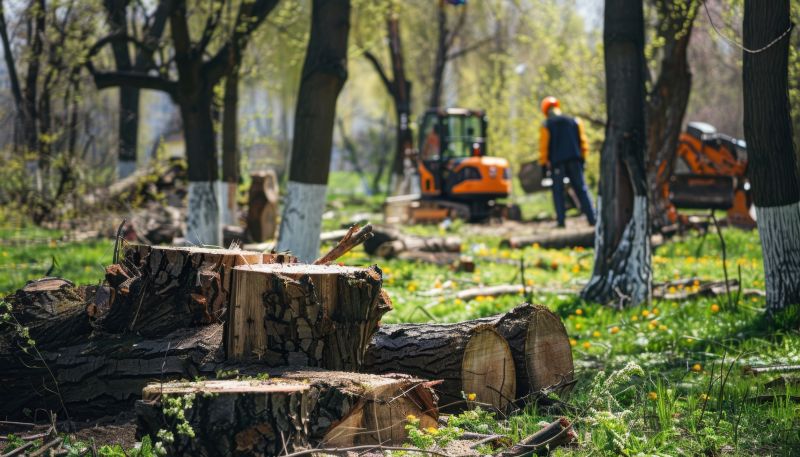 Emergency tree removal situations require reliable tools and equipment to ensure safety and efficiency. When a tree becomes hazardous due to storm damage, disease, or structural instability, having the right products on hand can make a significant difference. From manual tools to powered machinery, a variety of products are designed to assist in safely and effectively removing problematic trees. Proper selection depends on the size of the tree, the location of the removal, and the user's experience level.
Top Overall Option
Heavy-Duty Gas-Powered Chainsaw
A versatile, high-powered chainsaw designed for demanding tree removal tasks. It offers extended runtime, robust cutting capacity, and user-friendly features to facilitate efficient and controlled felling of large trees. Ideal for emergency situations where power and reliability are paramount.
Types of Products For Emergency Tree Removals
Gas-Powered Chainsaws
Powerful tools suitable for cutting through large branches and trunks quickly and efficiently.
Electric Chainsaws
Electric models offer quieter operation and are easier to maintain, ideal for smaller or less demanding jobs.
Pole Saws
Extendable tools perfect for reaching high limbs safely without the need for ladders.
Hand Pruners and Saws
Manual tools suited for trimming smaller branches and performing precise cuts.
Tree Removal Wedges
Support controlled felling by guiding the direction of the fall and preventing splitting.
Ropes and Harnesses
Safety gear essential for securing workers and controlling limb movements during removal.
Chainsaw Accessories
Additional blades, chains, and oil for maintaining chainsaw performance during emergencies.
Mini Skid Steers with Tree Attachments
Powered machinery capable of handling large debris and facilitating efficient removal in difficult terrain.
Safety Helmets and Face Shields
Protective gear to safeguard against falling debris and accidental contact with cutting tools.
Heavy-Duty Work Gloves
Durable gloves to ensure grip and protect hands during strenuous removal tasks.
Ladders and Elevated Work Platforms
Support reaching high branches safely when power tools are not suitable or available.
Debris Chutes
Assist in safely directing cut branches and smaller debris away from work areas.
Chainsaw Carving Bars
Specialized blades for detailed trimming and shaping during removal operations.
Popular Choices
Popular for their portability and ease of use in emergency situations, suitable for smaller limbs and quick cuts.
Widely used for reaching high branches without ladders, combining power and reach.
Commonly recommended for protection and grip during urgent tree removal tasks.
Frequently chosen safety gear to protect heads from falling debris and accidental contact.
Essential for controlled tree felling, especially in unpredictable emergency scenarios.
Popular accessories for maintaining cutting performance during extended use.
Effective for lifting or guiding heavy branches safely during removal.
Favored for quick trimming of smaller branches in emergency cleanup.
Convenient for collecting and transporting cut debris from the site.
Popular for ensuring ladder stability during high limb work.
Sometimes used for trimming smaller branches and hedges in tight spaces.
Useful for pulling or lowering large limbs or trunks safely.
Essential for maintaining optimal chainsaw performance during urgent tasks.
For smaller trees or branches, handheld tools such as pruning saws, hand pruners, and chainsaw accessories are often sufficient. These tools allow for precise cuts and can be operated manually or with minimal power. Larger trees or more complex removals typically require powered equipment like chainsaws, pole saws, or even mini skid steers equipped with tree removal attachments. These tools help manage bigger jobs more efficiently, reducing the time and effort needed.
Safety equipment is equally important in emergency tree removal scenarios. Items such as heavy-duty gloves, helmets with face shields, eye protection, and high-visibility clothing help protect workers from falling debris and other hazards. Additionally, support accessories like ropes, harnesses, and wedges can assist in controlled felling and limb removal, minimizing the risk of accidents. Proper planning and preparation, along with the right products, are essential for successful emergency tree removal efforts.
Whether dealing with a fallen tree blocking a roadway or a hazardous limb threatening property, having a well-rounded selection of tools and safety gear is vital. It is advisable to assess the specific situation carefully and choose products that match the scope of the task. Investing in quality equipment can improve safety, efficiency, and overall effectiveness during urgent tree removal operations.
Key Buying Considerations
- Tree size and trunk diameter to determine the appropriate power and tool size.
- Type of tree removal required, such as limb trimming versus full felling.
- Safety features included in the equipment, like anti-vibration handles and safety guards.
- Ease of use and operator experience level with power tools or manual equipment.
- Portability and weight of the tools, especially for emergency response in difficult terrain.
- Power source preferences, such as battery, electric, or gas-powered options.
- Durability and build quality to withstand demanding emergency conditions.
- Availability of replacement parts and maintenance support.
- Compatibility of accessories and attachments for versatile use.
- Storage and transportation considerations for quick deployment.
- Budget constraints balanced with the need for reliable, quality tools.
- Compliance with safety standards and certifications.
- User reviews and recommendations for real-world performance insights.
- Availability of safety gear to complement the tools for comprehensive protection.
- Environmental conditions where the tools will be used, such as wet or windy environments.
This page contains affiliate links. We may earn a commission from qualifying purchases to support our content creation.