Elm Tree Removal in Montgomery County, PA
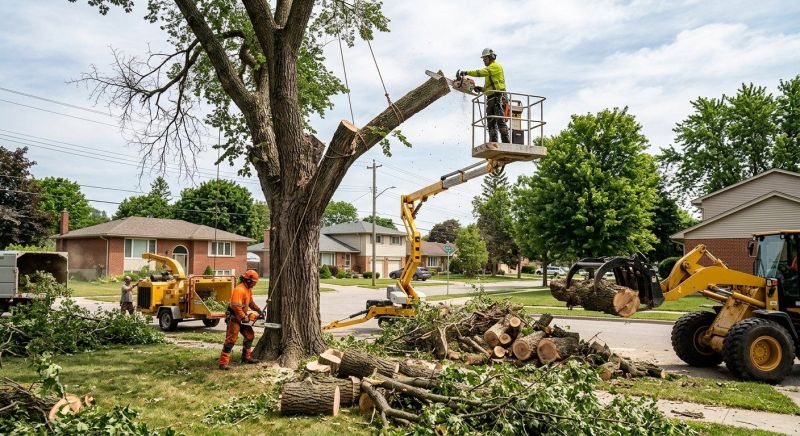
Elm tree removal services involve the careful and efficient removal of mature or damaged elm trees from residential or commercial properties. This process typically includes assessing the tree’s condition, determining the safest method for removal, and performing the work with appropriate equipment to prevent damage to surrounding landscapes or structures. Projects often include removing hazardous or dead trees, clearing space for new landscaping, or managing trees that pose safety risks due to disease, storm damage, or decay.
Property owners considering elm tree removal should understand the importance of proper planning and safety precautions, especially when dealing with large or nearby structures. It’s helpful to know the size and location of the tree, as well as any potential obstacles that could affect the removal process. Consulting with experienced professionals can ensure the work is completed efficiently and safely, while also addressing any concerns about the impact on the property’s appearance or landscape.
Many property owners in Montgomery County, PA look into Elm Tree Removal for repairs, replacements, upgrades, and appearance-related improvements.
Reasons For Elm Tree Removal
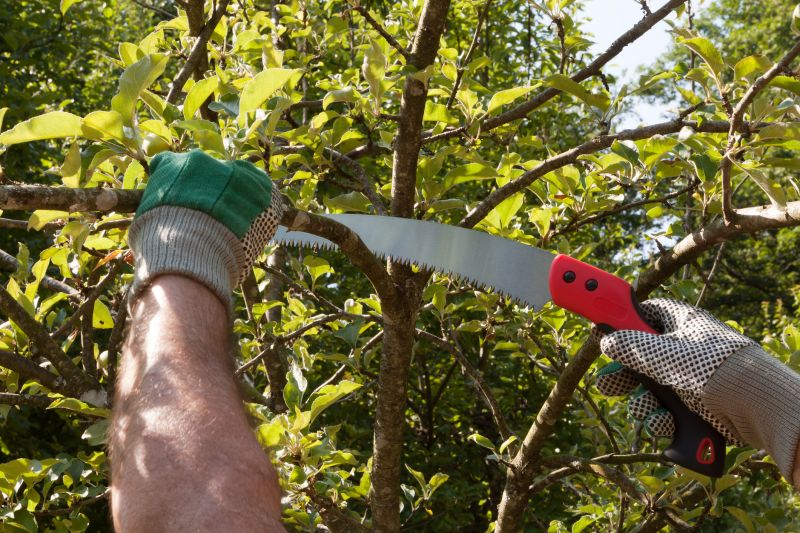
Removing damaged or diseased elms helps maintain property safety and aesthetics.
Elm Tree Removal Process
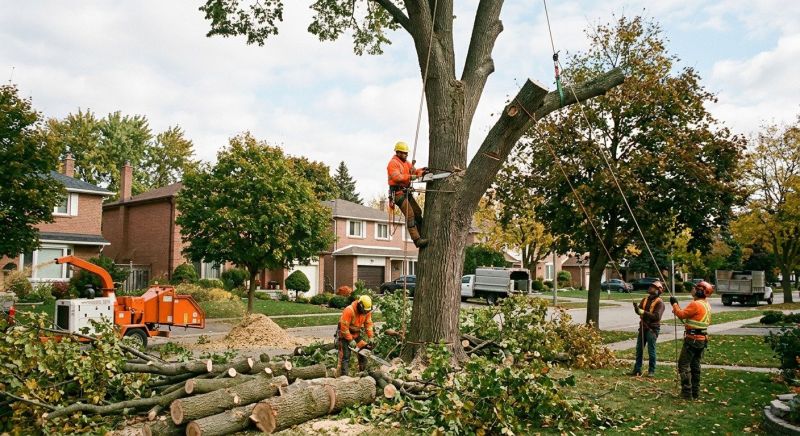
Proper removal involves careful planning to prevent damage to surrounding landscape and structures.
Post-Removal Care
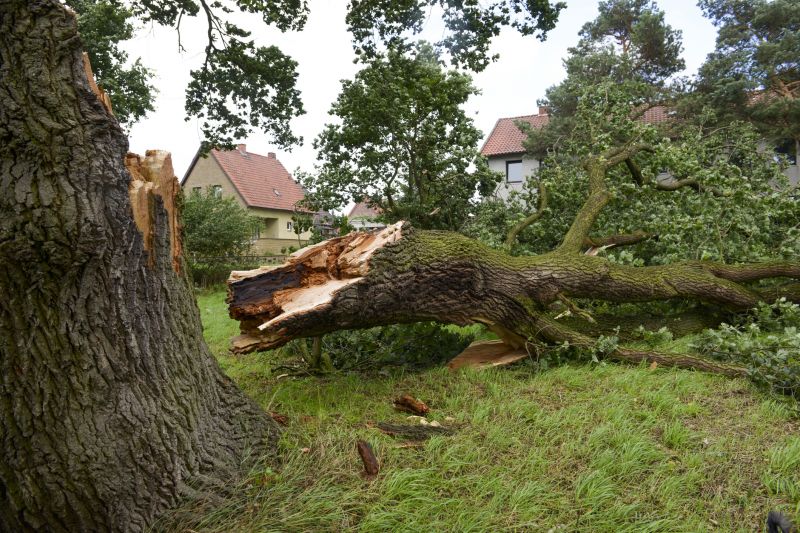
Stump grinding and site cleanup are essential steps to restore the area after elm removal.
Elm Tree Removal in Montgomery County, PA

Elm tree removal services involve the careful and efficient removal of mature or damaged elm trees from residential or commercial properties. This process typically includes assessing the tree’s condition, determining the safest method for removal, and performing the work with appropriate equipment to prevent damage to surrounding landscapes or structures. Projects often include removing hazardous or dead trees, clearing space for new landscaping, or managing trees that pose safety risks due to disease, storm damage, or decay.
Property owners considering elm tree removal should understand the importance of proper planning and safety precautions, especially when dealing with large or nearby structures. It’s helpful to know the size and location of the tree, as well as any potential obstacles that could affect the removal process. Consulting with experienced professionals can ensure the work is completed efficiently and safely, while also addressing any concerns about the impact on the property’s appearance or landscape.
Many property owners in Montgomery County, PA look into Elm Tree Removal for repairs, replacements, upgrades, and appearance-related improvements.
Common Elm Tree Removal Jobs
Elm Tree Removal - safely removes damaged or overgrown trees to prevent property damage.
Emergency Tree Removal - handles urgent situations involving fallen or unstable elms.
Selective Elm Removal - removes specific trees to improve landscape health and safety.
Stump Removal - eliminates remaining tree stumps after elm removal for a clean yard.
Hazard Tree Assessment - evaluates elm trees for signs of disease or structural issues.
Tree Clearing - clears large areas by removing multiple elms for construction or landscaping projects.
Elm Tree Removal Questions
Why remove an elm tree? Elm trees may be removed due to disease, damage, or to prevent potential hazards on the property.
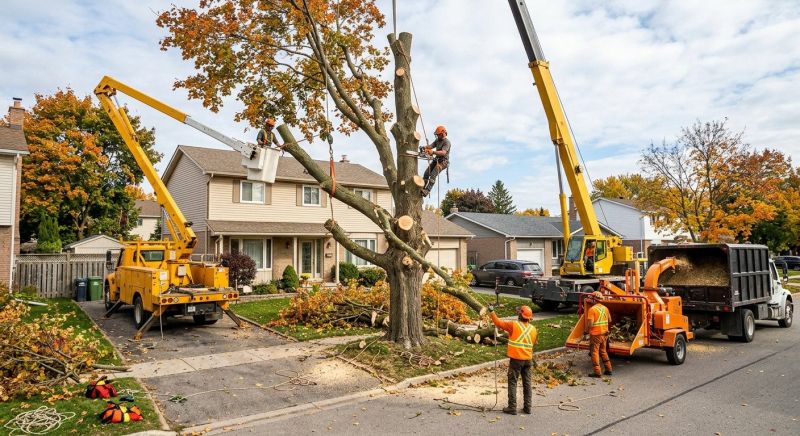
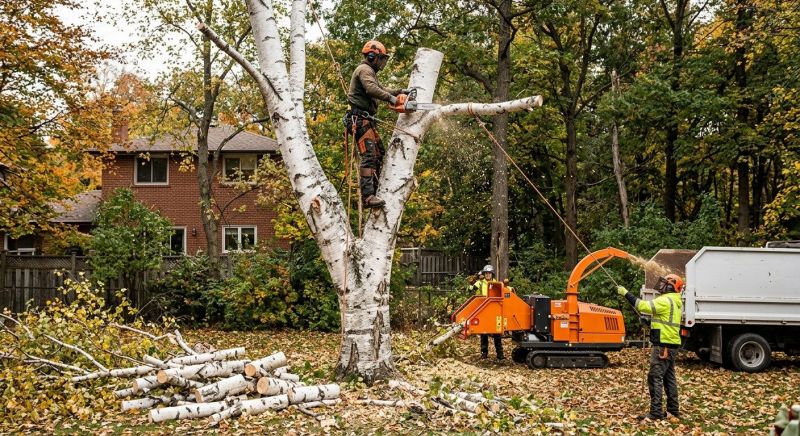
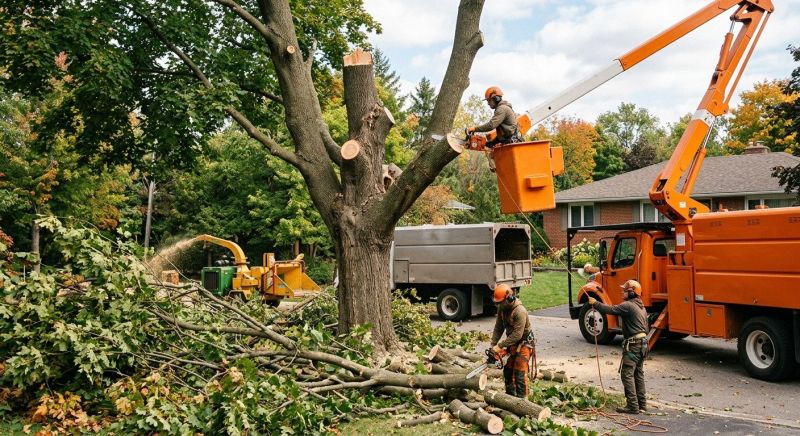
How is elm tree removal performed? The process involves safely cutting and removing the tree, often with equipment like cranes or bucket trucks for larger specimens.
When is the best time for elm tree removal? Elm trees can be removed at any time of year, though some prefer dormant seasons for less impact on the landscape.
What should property owners consider before removal? It's important to assess the tree's location, size, and potential impact on surrounding structures or landscaping.
Request Elm Tree Removal in Montgomery County, PA
Use the quote form on this page to share the basics of your project and request more information for the type of work you need.